Bhutan
Where Happiness is a Way of Life
Overview
Tucked high in the Eastern Himalayas between India and China, Bhutan is a land of mist-clad mountains, timeless monasteries, and unspoiled traditions. Known globally as the “Kingdom of Happiness,” Bhutan measures success not by GDP but by Gross National Happiness (GNH) — a philosophy that blends spirituality, sustainability, and serenity.
With its majestic dzongs (fortresses), fluttering prayer flags, and pristine landscapes ranging from subtropical valleys to snow-capped peaks, Bhutan offers travellers a rare glimpse into a world where ancient culture thrives in harmony with nature.
Whether you’re meditating in a monastery, hiking to the cliffside Tiger’s Nest, or joining locals in a vibrant festival, Bhutan captivates your heart with simplicity, purity, and peace.
Major Cities & Regions

Thimphu
The capital; modern yet deeply traditional.
Paro
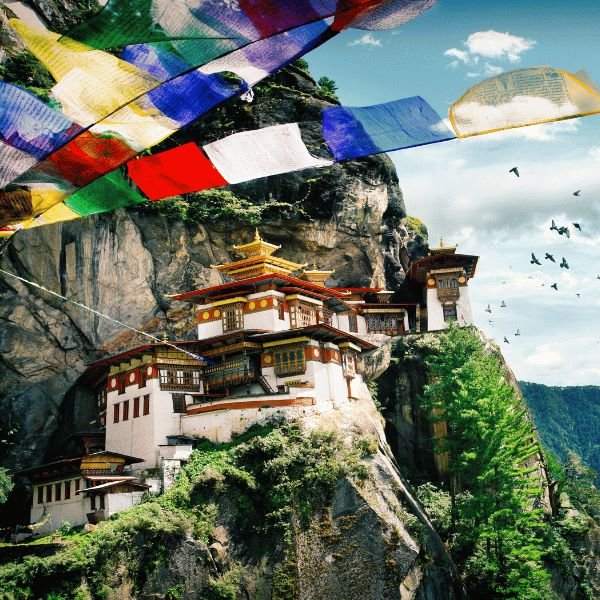
Gateway to Bhutan and home to the iconic Tiger’s Nest Monastery.
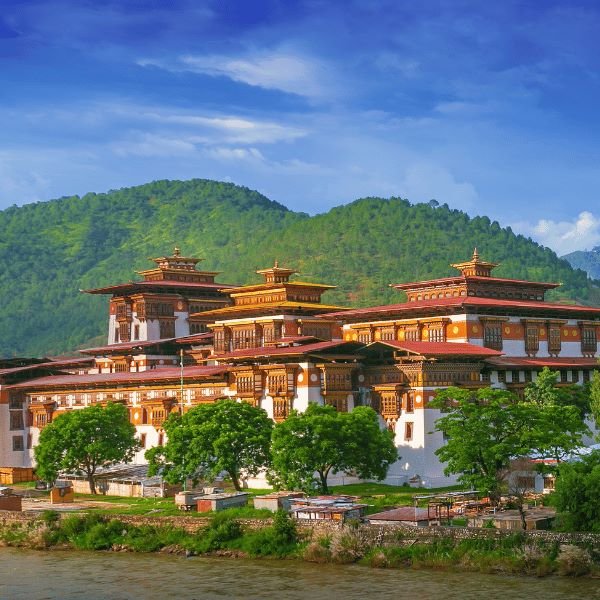
Punakha
Ancient capital; lush valleys and majestic Punakha Dzong.
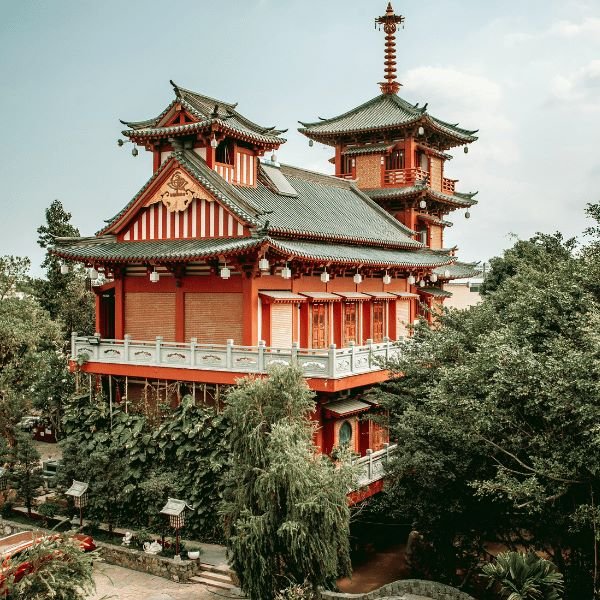
Wangdue Phodrang
Known for scenic drives and traditional crafts.
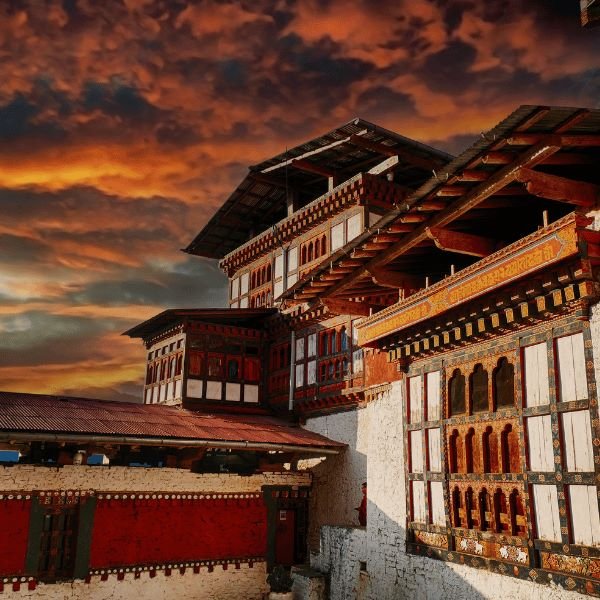
Trongsa
The historical heart of Bhutan’s royal lineage.
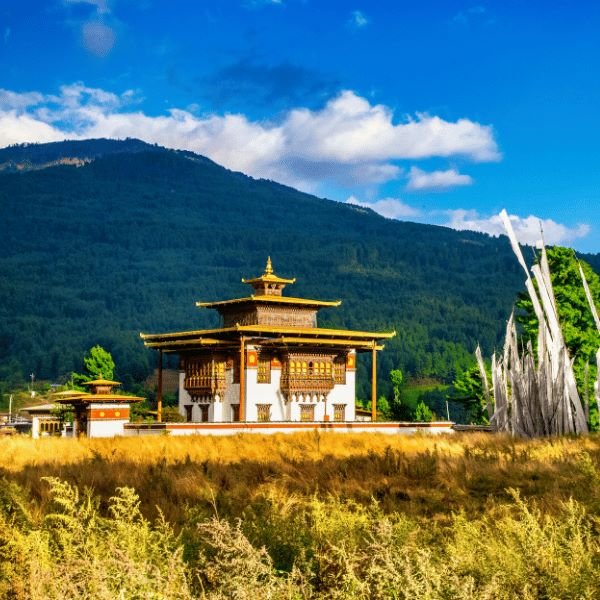
Bumthang Valley
The spiritual heartland, filled with monasteries and legends.

Phobjikha Valley
Winter home of the black-necked cranes.
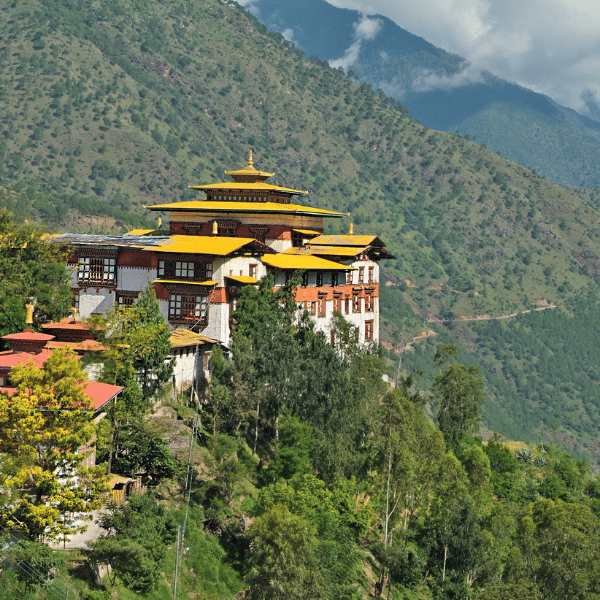
Trashigang & Trashiyangtse
Remote, culturally rich, and off the beaten path.
Top Destinations
Thimphu – The Cultural Capital
Visit Tashichho Dzong, seat of Bhutan’s King and monastic body.
See the towering Buddha Dordenma Statue overlooking the valley.
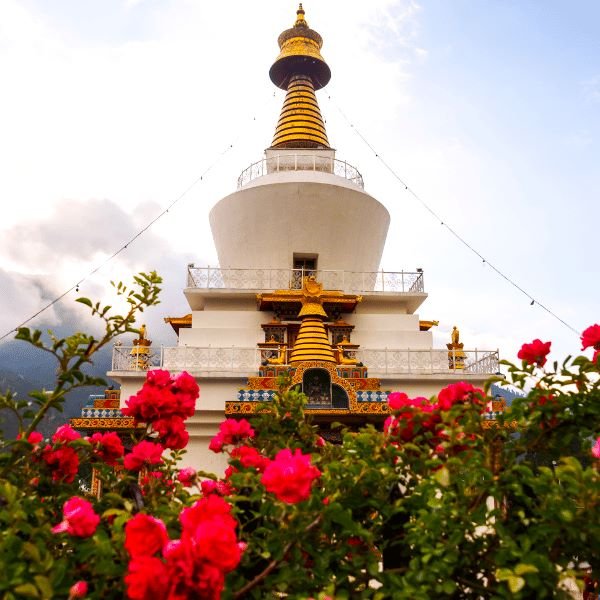
Explore Memorial Chorten, National Textile Museum, and Folk Heritage Museum.
Walk through Centenary Farmers Market and Craft Bazaar for local handicrafts.
Enjoy the nightlife, cafés, and art galleries that reflect modern Bhutanese life.
Paro – Gateway to the Himalayas

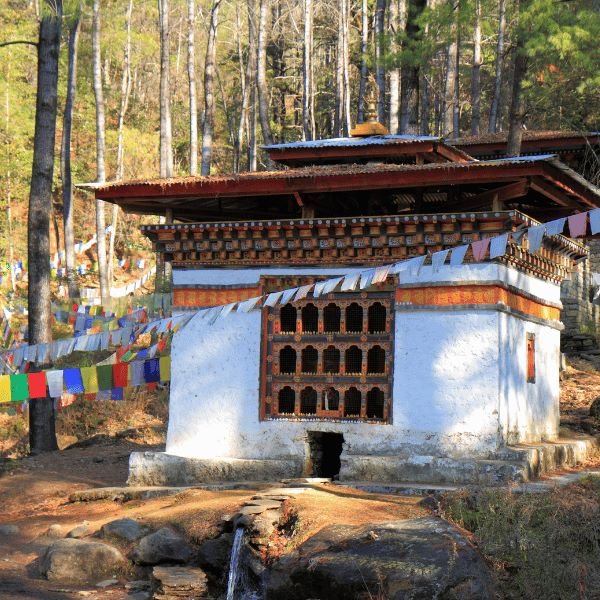
Taktsang (Tiger’s Nest Monastery)
The most iconic landmark of Bhutan, perched on a cliff 3,000 feet above the valley.
Paro Dzong (Rinpung Dzong)
A fortress-monastery offering stunning views and cultural festivals.
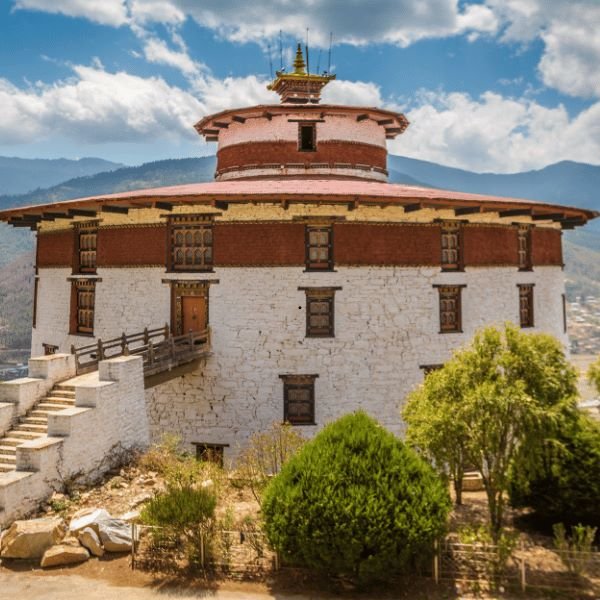
National Museum of Bhutan
Housed in a 17th-century watchtower (Ta Dzong).
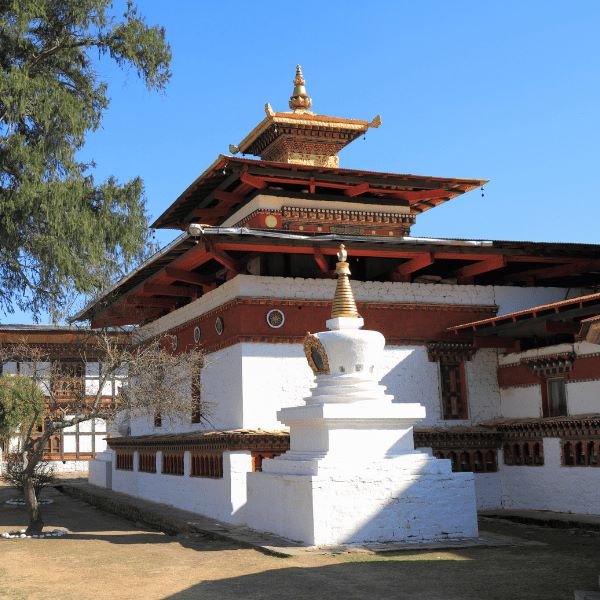
Kyichu Lhakhang
One of the oldest and most sacred temples in Bhutan.
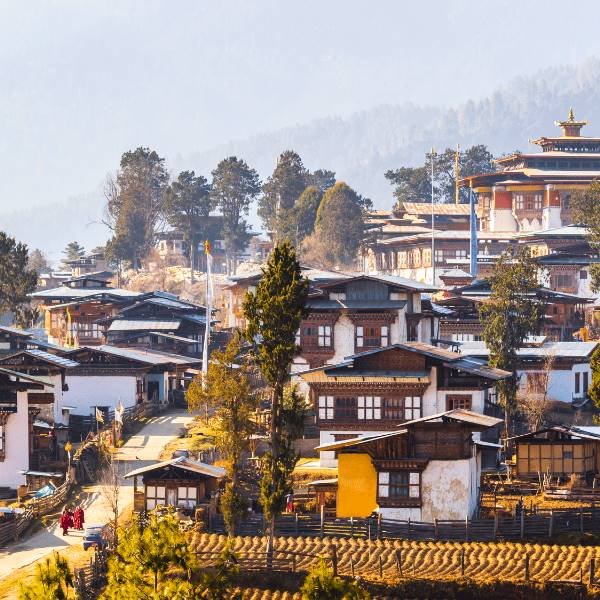
Paro Valley
Verdant farmlands, traditional homestays, and peaceful riverside trails.
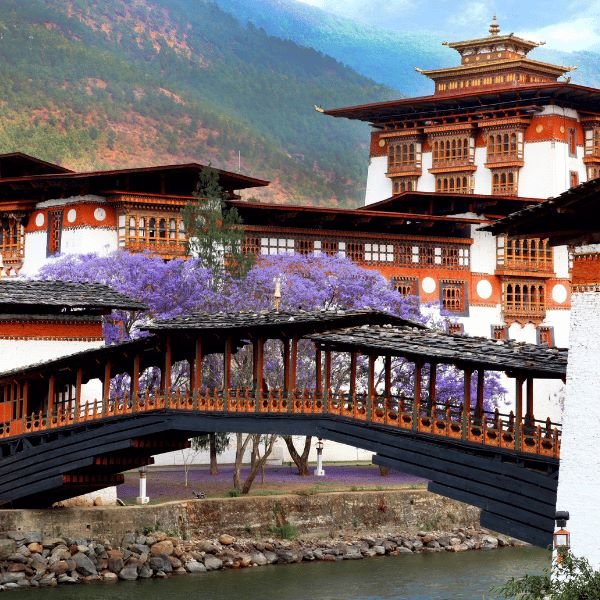
Punakha – The Valley of Bliss

Punakha Dzong
A masterpiece of Bhutanese architecture located at the confluence of Pho and Mo Chu rivers.

Suspension Bridge
One of the longest in Bhutan; stunning valley views.
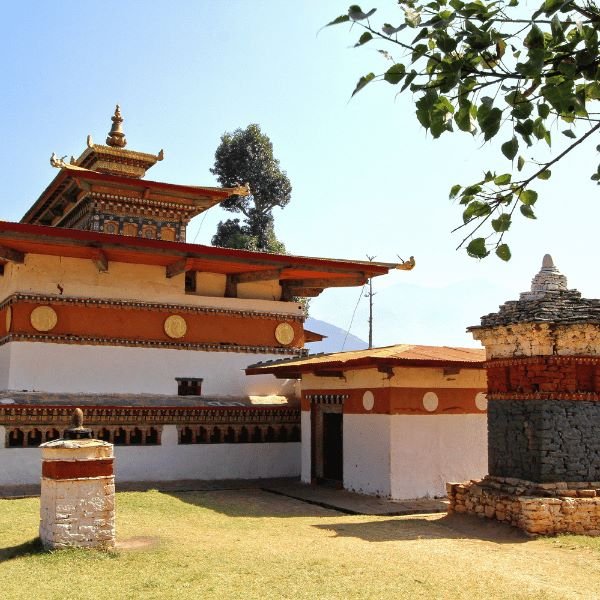
Chimi Lhakhang (Fertility Temple)
Dedicated to Drukpa Kunley, the “Divine Madman.”
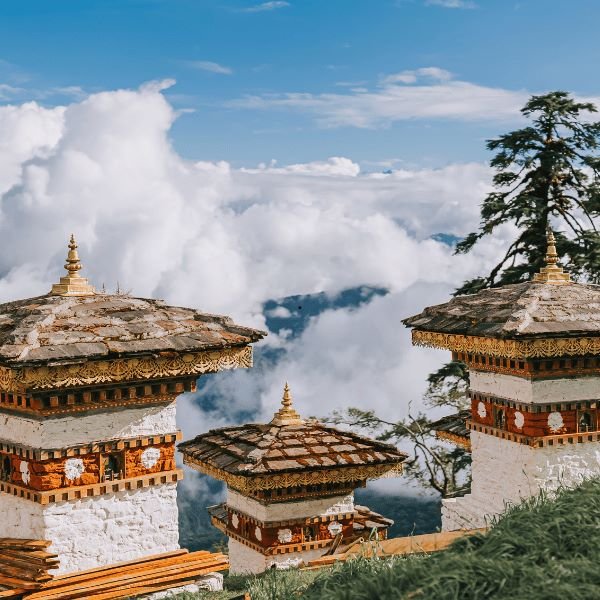
Dochula Pass (3,100 m)
Offers panoramic Himalayan views and 108 memorial chortens.
Bumthang – The Spiritual Heartland
Visit Jambay Lhakhang, Kurjey Lhakhang, and Tamshing Monastery — sacred sites linked to Guru Rinpoche.
Famous for Bumthang Tshechu (festival) and handwoven woolen textiles (Yathra).
Comprises four valleys: Jakar, Tang, Ura, and Chhume.
Phobjikha Valley – Nature’s Sanctuary
A glacial valley and winter home of the endangered black-necked cranes.
Visit Gangtey Monastery, hike nature trails, and experience eco-lodges.
Trongsa
Visit Trongsa Dzong, Bhutan’s largest fortress and royal heritage site.
The Tower of Trongsa Museum chronicles Bhutan’s monarchy and history.
Eastern Bhutan (Trashigang & Trashiyangtse)
Known for authentic rural life, terraced farms, and vibrant local traditions.
Visit Chorten Kora, Gom Kora Temple, and colorful Tshechu festivals.
Getting There
By Air: Paro International Airport is the only international gateway, with flights from Delhi, Kolkata, Kathmandu, Bangkok, and Singapore (operated by Druk Air & Bhutan Airlines).
By Road (from India): Entry points at Phuentsholing (West Bengal), Gelephu, and Samdrup Jongkhar (Assam).
Best Time to Visit
Spring (March–May): Rhododendrons in bloom, ideal for trekking and festivals.
Autumn (September–November): Clear skies and major festivals like Thimphu Tshechu.
Winter (December–February): Crisp weather, snow in high passes, peaceful travel.