
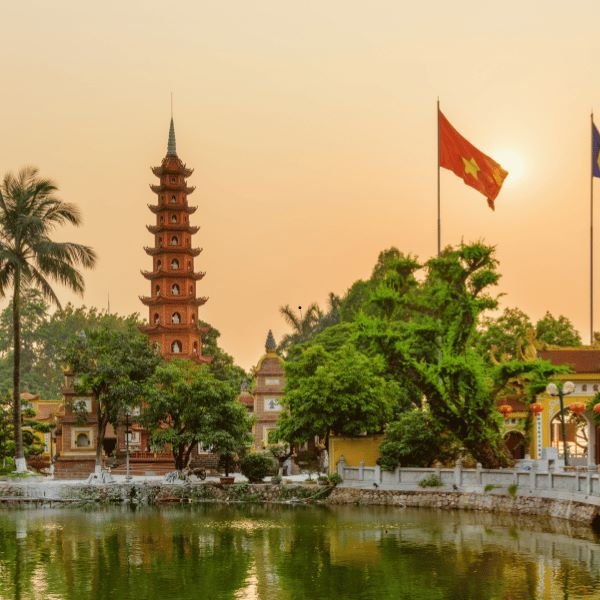
Journey and more

Vietnam – Timeless Charm of the East

From Rice Terraces to Rising Skylines — A Journey Through Time and Beauty

Overview

Nestled along the eastern edge of the Indochinese Peninsula, Vietnam is a land of contrasts — where ancient pagodas rise beside modern skylines, emerald rice paddies ripple under mountain mist, and tropical bays shimmer with jade waters. 

From the bustling streets of Hanoi and vibrant energy of Ho Chi Minh City, to the serenity of Ha Long Bay and ancient charm of Hoi An, Vietnam offers an unforgettable blend of culture, nature, and cuisine. 

This is a country where every region tells its own story — from misty northern mountains to sun-soaked southern deltas — all connected by a deep sense of history, resilience, and warmth. 

Major Cities & Regions

North Vietnam

Hanoi

The historic capital with lakes, temples, and colonial architecture.
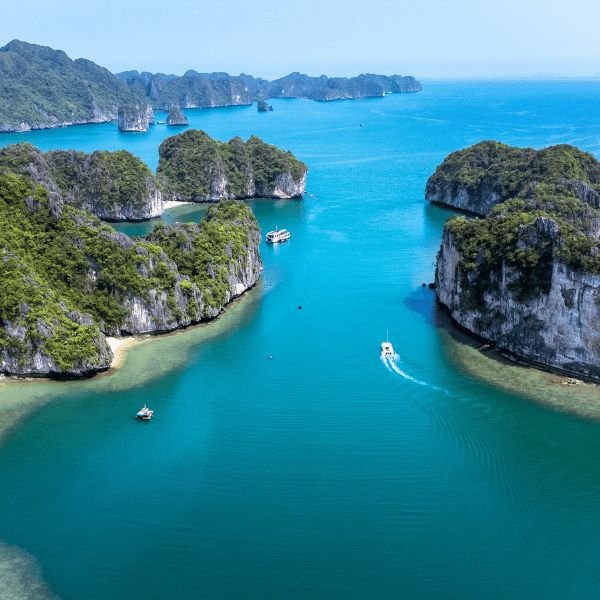
Ha Long Bay

UNESCO World Heritage Site with limestone karsts and emerald waters.
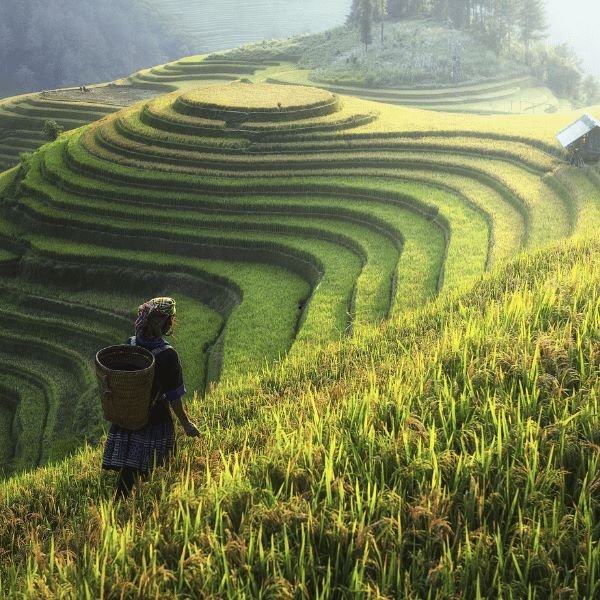
Sapa

Mountain retreat with terraced rice fields and ethnic hill tribes.
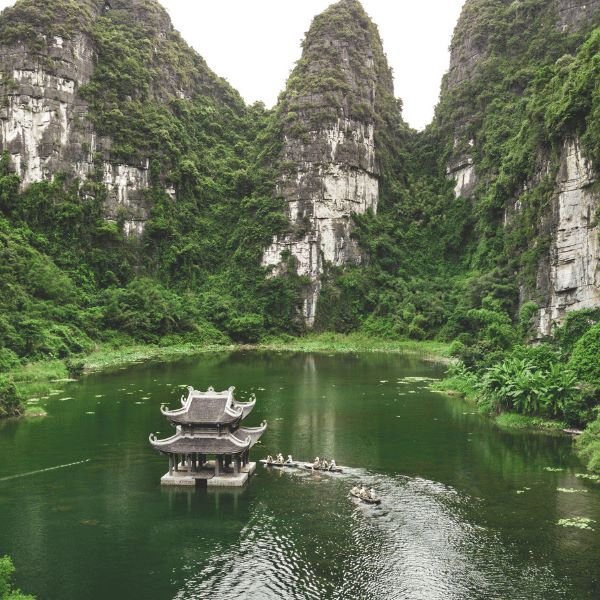
Ninh Binh

“Ha Long Bay on land,” with karst landscapes and tranquil rivers.
Central Vietnam

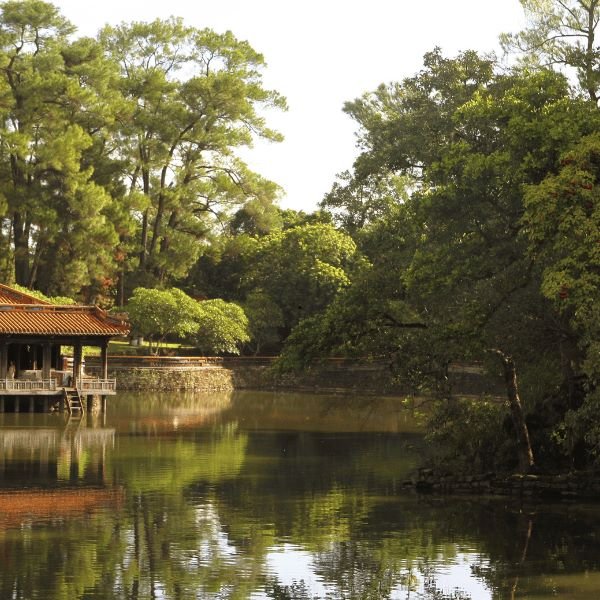
Hue

The imperial city, once home to Nguyen dynasty emperors.
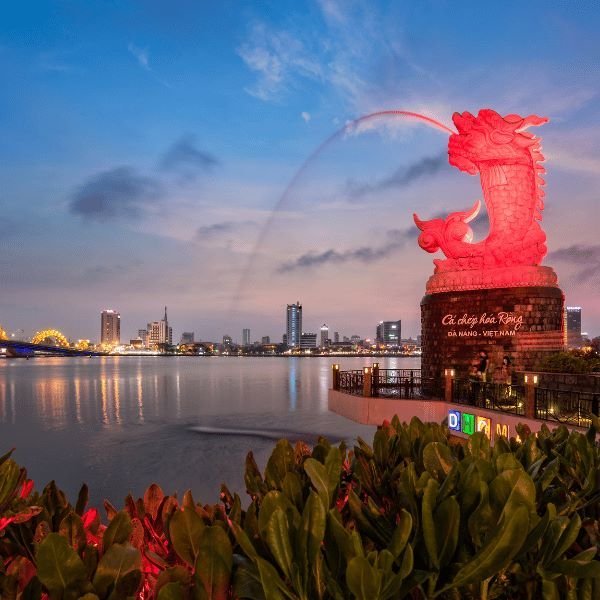
Da Nang

Coastal modern hub known for beaches and the Golden Bridge.
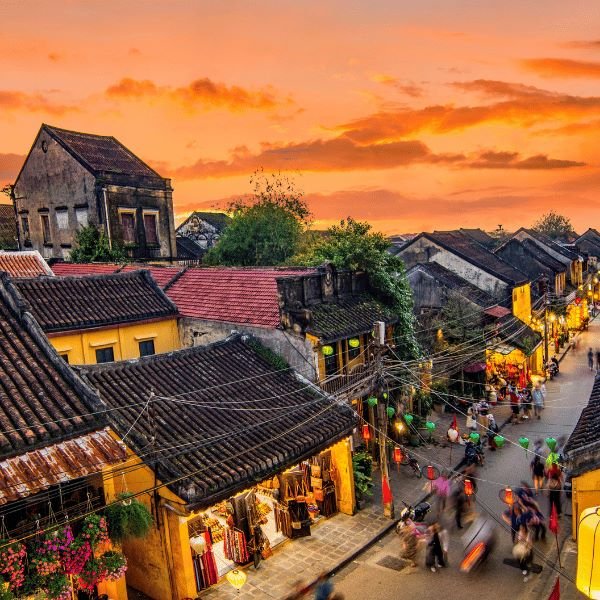
Hoi An

A UNESCO World Heritage town with lantern-lit streets and preserved charm.
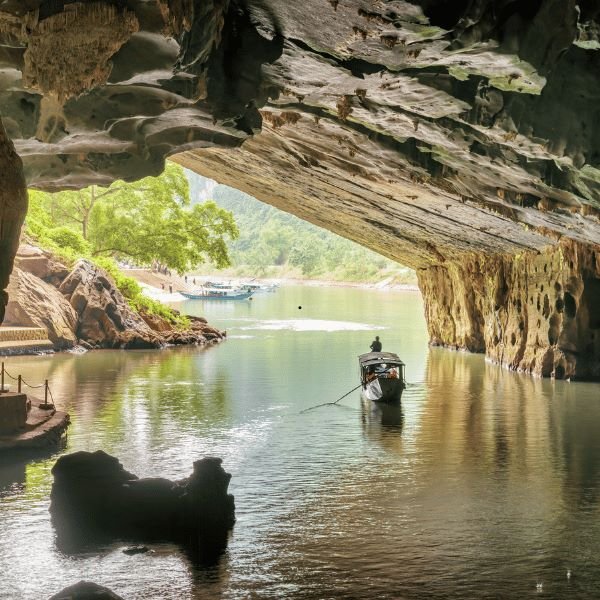
Phong Nha-Ke Bang National Park

Caves, karst mountains, and eco-adventures.
South Vietnam

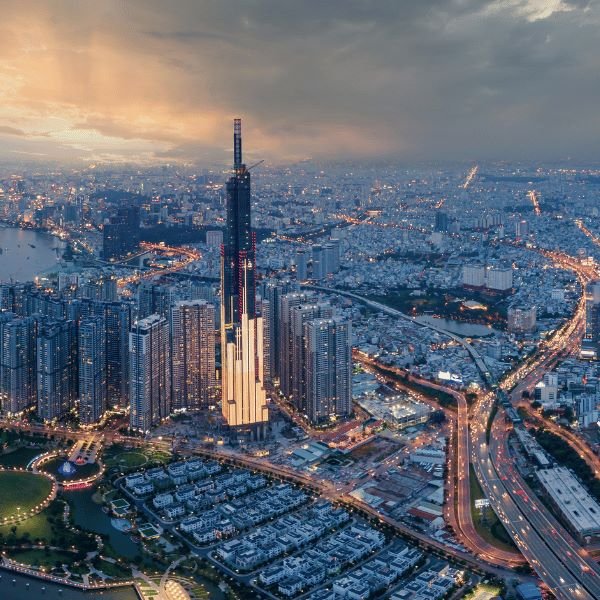
Ho Chi Minh City (Saigon)

Vietnam’s economic heart; energetic, modern, and historical.
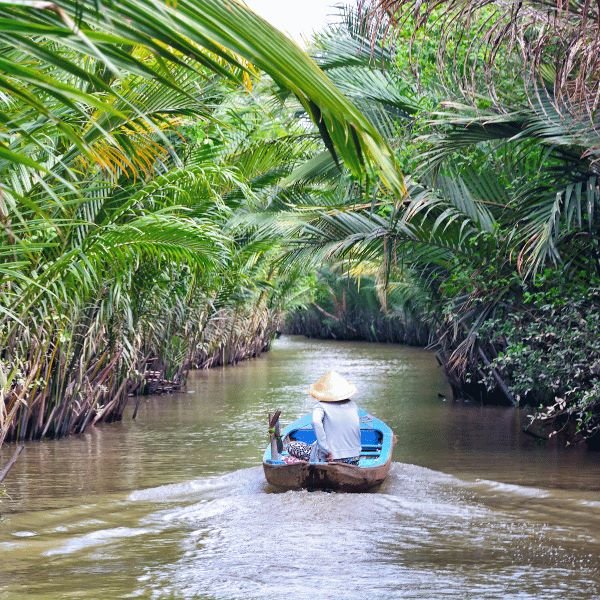
Mekong Delta

Floating markets, river cruises, and lush countryside.
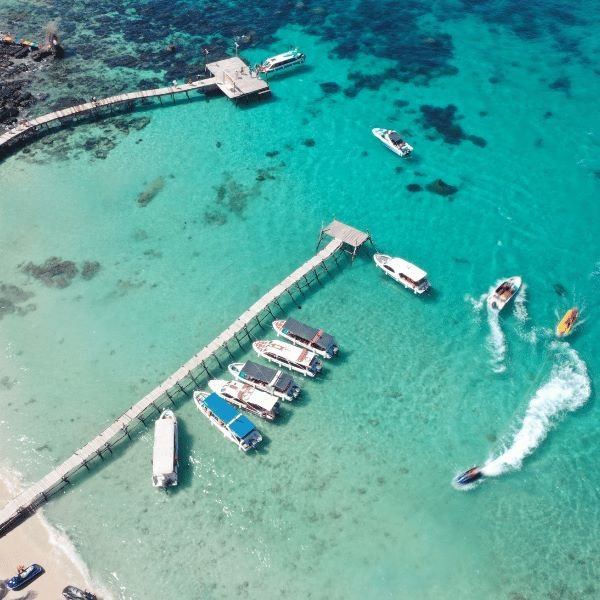
Phu Quoc Island

Tropical paradise with pristine beaches and coral reefs.
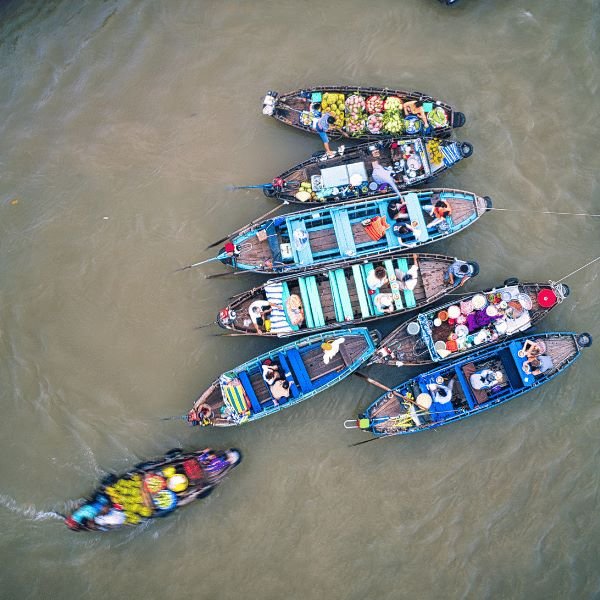
Can Tho

Gateway to the Mekong’s life-giving waterways.

Top Destinations & Experiences

Hanoi – The Soul of Vietnam 

  • Wander the Old Quarter with its maze of narrow lanes and street vendors. 
  • Visit Hoan Kiem LakeNgoc Son Temple, and the Temple of Literature. 
  • Explore the Ho Chi Minh Mausoleum and Presidential Palace. 
  • Taste local specialities like phobun cha, and egg coffee. 

Ha Long Bay – Nature’s Masterpiece

  • Cruise through thousands of limestone islets and caves. 
  • Kayak among hidden lagoons or spend the night on a luxury junk boat. 
  • Visit Sung Sot Cave and Ti Top Island for panoramic views. 

Sapa & Northern Highlands – Land of Mist & Rice Terraces 

  • Trek through Muong Hoa Valley and stay in a hill tribe homestay. 
  • Meet ethnic communities like the HmongDao, and Tay. 
  • Ride the Fansipan Cable Car — the highest point in Indochina. 

Hue – The Imperial Legacy 

  • Explore the Citadel and Imperial City (UNESCO). 
  • Cruise along the Perfume River to visit Thien Mu Pagoda. 
  • Wander royal tombs of emperors and sample bun bo Hue, a spicy local soup. 

Hoi An – The Ancient Port of Lanterns 

  • Stroll through lantern-lit streets and riverside cafés. 
  • Visit the Japanese Covered Bridge and Assembly Halls. 
  • Enjoy tailor-made clothingstreet food, and boat rides on the Thu Bon River. 
  • Experience the Full Moon Lantern Festival — a sight of magical beauty. 

Da Nang – The Coastal Gateway 

  • Visit Ba Na Hills and walk the Golden Bridge, held by giant stone hands. 
  • Relax at My Khe Beach and Marble Mountains.
  • Savor local seafood and modern nightlife by the Han River. 

Mekong Delta – The River of Life 

  • Cruise through floating markets like Cai Rang. 
  • Explore fruit orchardsstilt villages, and rice paddies. 
  • Visit Ben Tre for coconut workshops and homestays. 

Phu Quoc Island – Tropical Bliss 

  • Unwind on Sao Beach and Long Beach. 
  • Dive or snorkel around coral reefs and marine sanctuaries. 
  • Visit Phu Quoc National Park and night markets for seafood feasts. 

Getting There 

  • By Air: 
  • Major international airports: Hanoi (Noi Bai – HAN)Da Nang (DAD), and Ho Chi Minh City (Tan Son Nhat – SGN). 
  • Well connected with Asia, Europe, and the Middle East. 
  • By Land/Sea: 
  • Cross-border routes from Laos, Cambodia, and China. 
  • Cruises arrive via Ha Long Bay and Ho Chi Minh City ports. 

 Best Time to Visit 

  • North Vietnam: October – April (cool, dry, great for trekking & culture). 
  • Central Vietnam: February – August (sunny & beach-perfect). 
  • South Vietnam: November – April (dry season; ideal for islands & deltas). 
  • Avoid heavy rains between July and September in central coastal areas. 

Why You’ll Love Vietnam 

  • 🏯 Deep history, from dynasties to French colonial charm 
  • 🌾 Verdant rice terraces and mountain villages 
  • 🏝️ Pristine beaches and islands 
  • 🍜 One of the world’s best street food cultures 
  • 🚲 Scenic rural landscapes and warm hospitality 
  • 🧭 Affordable luxury and rich cultural depth 

Signature Experiences 

  • Cruise overnight in Ha Long Bay 
  • Ride a motorbike along the Hai Van Pass 
  • Explore ancient temples in Hue and My Son Sanctuary 
  • Float through the Mekong Delta markets 
  • Take a cooking class in Hoi An 
  • Sip Vietnamese coffee overlooking Hanoi’s lakefront 
  • Experience Tet Festival, the Vietnamese Lunar New Year 

Travel Tips 

  • Visa: Many nationalities enjoy e-visa or visa-free entry. 
  • Currency: Vietnamese Dong (VND). 
  • Language: Vietnamese (English widely spoken in tourist areas). 
  • Transport: Trains, sleeper buses, and domestic flights connect regions easily. 
  • Etiquette: Dress modestly in temples; remove shoes when entering homes or pagodas. 
  • Connectivity: SIM cards are cheap and reliable across the country. 

In a Single Breath 

Vietnam is a living poem — a land where emerald rice fields meet golden beaches, where history whispers in every temple and alley, and where the people’s warmth turns every visitor into a storyteller. 

From the tranquil north to the vibrant south, Vietnam captures your heart — not with grandeur, but with grace. 🇻🇳